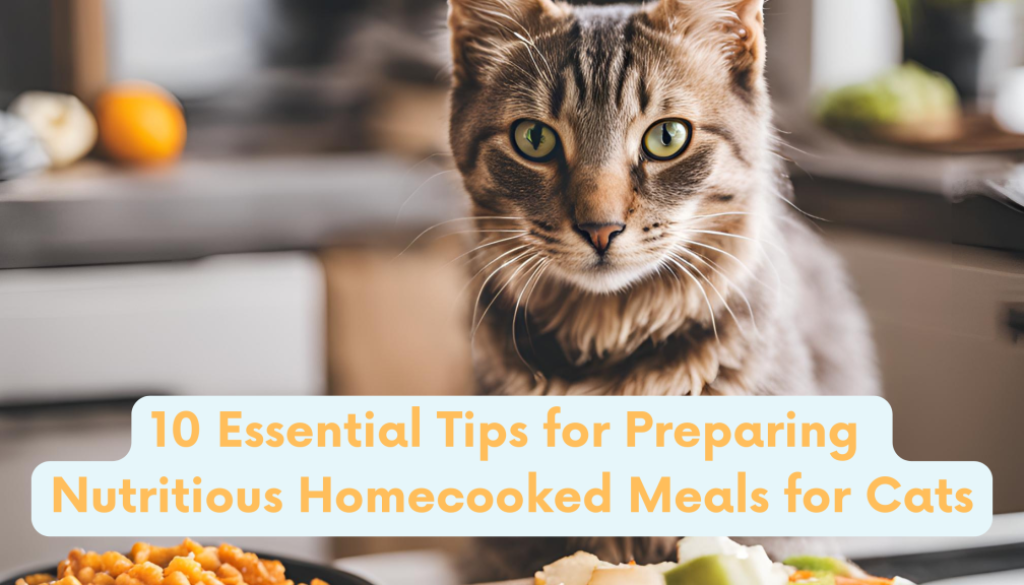
10 Essential Tips for Preparing Nutritious Homecooked Meals for Cats
Feeding your cat homecooked meals can be a rewarding way to ensure they get a healthy and balanced diet. However, it’s crucial to meet their unique dietary needs to keep them happy and thriving. In this blog post, we’ll explore some key tips for preparing nutritious meals that will help your feline friend live their best life.
1. Focus on Animal Protein
Cats are obligate carnivores, which means they rely heavily on animal protein. Ensure that the majority of their meals come from sources like chicken, turkey, beef, or fish. Protein supports muscle maintenance, energy, and overall health.
2. Include Essential Nutrients
Beyond protein, cats require other essential nutrients, including taurine, which is vital for heart and eye health. Meat, particularly from the heart and liver, is rich in taurine. Other nutrients to focus on include calcium, vitamins A and D, and essential fatty acids like omega-3. Check out Doggy Bag Co’s Treats for Cats
3. Avoid Carbohydrate Overload
Unlike dogs, cats do not require carbohydrates in their diet, and too many carbs can lead to weight gain and other health issues. Keep ingredients like rice, grains, and potatoes to a minimum when preparing your cat’s meals. Check out Doggy Bag Co’s Crispy Fish
4. Incorporate Organ Meats
Organ meats such as liver, kidneys, and heart are packed with nutrients and should be included in homecooked cat meals. They provide vital vitamins and minerals that muscle meat alone cannot deliver.
5. Provide Calcium-Rich Ingredients
Calcium is crucial for bone health. You can incorporate calcium into their diet by using finely ground eggshells or bone powder, both of which offer bioavailable calcium without the risks associated with larger bone fragments.
6. Use Healthy Fats
Healthy fats, such as fish oil or small amounts of chicken fat, are important for maintaining your cat’s skin and coat health. Be cautious with the amount—cats need fat, but too much can lead to weight issues.
7. Skip the Seasonings
While we may enjoy herbs and spices, they can be harmful to cats. Avoid adding salt, garlic, onions, and other seasonings. These ingredients can be toxic and pose serious health risks to your pet.
8. Ensure Proper Food Storage
After preparing your cat’s meals, store portions in airtight containers in the refrigerator for up to three days, or freeze them for later use. Proper storage prevents bacterial contamination and keeps meals fresh.
9. Transition Slowly
If your cat is used to commercial food, introduce homecooked meals gradually. A sudden change can lead to digestive upset. Start by mixing a small amount of the homecooked meal with their regular food and slowly increase the proportion over a week.
10. Consult with a Pet Nutritionist
Before making a permanent switch to homecooked meals, consult with a pet nutritionist. They can ensure the meals you’re preparing meet all of your cat’s nutritional needs and help you avoid potential deficiencies.
Preparing homecooked meals for your cat can offer numerous benefits, from controlling the quality of ingredients to tailoring meals to their specific dietary needs. By following these tips, you can provide a balanced, nutritious, and safe diet that supports their health and well-being.
Always remember, the key to a healthy homecooked diet is balance, so seek professional advice to ensure your cat is getting everything they need!