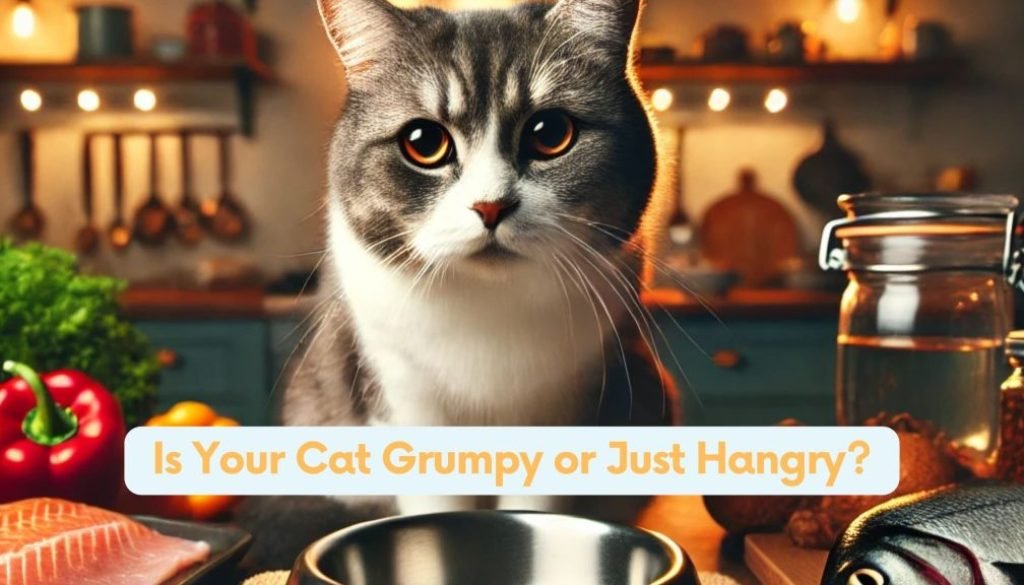
Is Your Cat Grumpy or Just Hangry? The Surprising Link Between Nutrition and Your Cat’s Mood
Ever notice how your cat goes from purring sweetie to swatting terror faster than you can say “tuna treat”? While we love to blame their mood swings on “cattitude,” there might be something more going on behind the scenes—like their diet. Believe it or not, what your cat eats plays a huge role in their behavior, energy levels, and emotional well-being.
Let’s take a closer look at how what’s in your cat’s bowl affects what’s on their mind (and how they act out)!
How Diet Affects Your Cat’s Mood
Just like humans, cats are sensitive to what they eat. If their diet isn’t hitting the right nutritional notes, you may start to notice changes in their mood or behavior. Here’s how some key nutrients (or lack of them) can affect your cat’s state of mind:
- Protein: The Fuel for Feline Energy and Focus
Cats are obligate carnivores, meaning they need a diet rich in high-quality protein to stay healthy. Protein not only supports muscle development but also impacts your cat’s energy levels. A protein-deficient diet can leave your cat feeling sluggish or, on the flip side, cranky and irritable. If your kitty has been lazing around more than usual, it might be time to assess whether they’re getting enough protein in their diet. - Taurine: The Secret to Calm and Collected Cats
Taurine is an amino acid that’s absolutely essential for your cat’s health—especially for their heart, eyes, and brain. Without enough taurine, cats can develop serious health issues, including changes in their behavior. Cats lacking taurine can become anxious or unusually restless. Ensuring your cat gets enough of this vital nutrient can help keep them calm, cool, and collected. - Omega-3 Fatty Acids: For a Happier, Less Stressed Kitty
Omega-3 fatty acids aren’t just good for shiny coats—they’re also great for boosting your cat’s mood. These healthy fats are known to reduce inflammation and improve brain function, which in turn can lead to a more balanced and happy cat. If your feline seems particularly on edge, adding a bit of omega-3 to their diet could be the ticket to a more relaxed furball. - Carbohydrates: Friend or Foe?
While some carbs can provide energy, cats don’t need nearly as many as humans or even dogs. Too many carbohydrates in your cat’s diet can lead to energy spikes and crashes, much like the sugar rush you’d get from a candy bar. This could explain why your cat is zooming through the house one minute and sleeping like a log the next. A lower-carb, protein-rich diet can keep their energy levels stable and their mood even-keeled. - Vitamins and Minerals: Keeping Those Moods in Check
Essential vitamins, like B vitamins, play a critical role in your cat’s emotional well-being. For instance, B12 supports nerve function and can help improve mood and energy. Cats deficient in key vitamins and minerals may display lethargy, depression, or irritability. Making sure they get a well-balanced diet can work wonders for their emotional stability.
Common Signs of Nutritional Imbalance in Cats
So how do you know if your cat’s bad mood is related to their diet? Here are some common signs to watch for:
- Irritability or aggression (especially if it seems out of character)
- Excessive sleeping or lethargy
- Zoomies followed by long periods of laziness
- Changes in appetite (overeating or not eating enough)
- Weight gain or loss (without a change in activity level)
If you’ve noticed any of these behaviors in your cat, their diet could be a factor.
How to Improve Your Cat’s Mood Through Nutrition
- Switch to a High-Protein, Low-Carb Diet
Look for foods that list animal proteins as the first ingredient. Avoid fillers like corn, soy, or excessive grains, which can lead to energy crashes. - Incorporate Omega-3 Rich Foods
Salmon, fish oil, or specially formulated cat foods can boost your kitty’s omega-3 intake, helping to keep their brain sharp and their mood steady. - Consider Taurine Supplements
If you’re worried your cat isn’t getting enough taurine (especially if you make homecooked meals), talk to your vet about taurine supplements to prevent deficiencies. - Hydration is Key
Dehydration can cause irritability and lethargy. Make sure your cat has access to fresh water at all times, and consider adding wet food to their diet for an extra hydration boost.
Get Professional Help with a Free Consultation!
Not sure if your cat’s diet is the culprit behind their moods? We’ve got you covered! Book a FREE 30-minute consultation with one of our certified pet nutritionists. Our experts can help you craft the perfect diet plan to ensure your kitty is healthy, happy, and full of purr-sonality!
Your cat’s mood isn’t just about how many naps they’ve had—it’s also about what they’re eating. With the right nutrition, you can turn your grumpy feline into a happy, contented companion. And who doesn’t want a cat that purrs instead of glares?
Take control of your cat’s health (and their mood swings!) today by reassessing their diet, and don’t forget to take advantage of our free consultation for personalized advice!