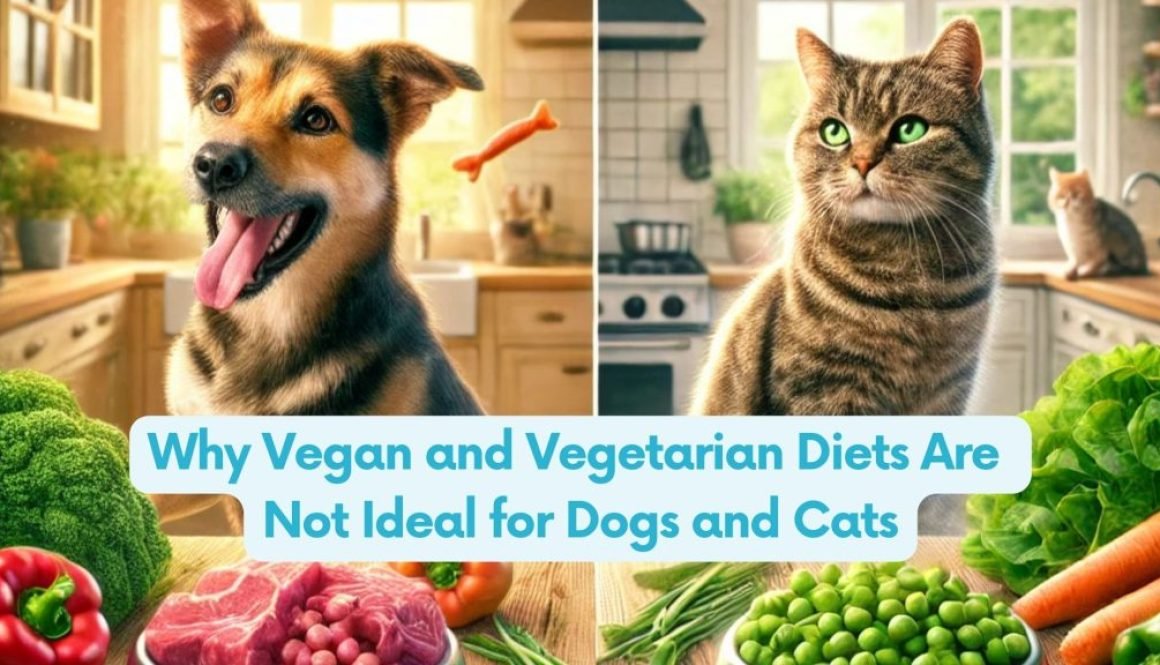
Why Vegan and Vegetarian Diets Are Not Ideal for Dogs and Cats
In recent years, the vegan and vegetarian movement has gained significant traction, driven by ethical, environmental, and health considerations. While this lifestyle can be beneficial for humans, it’s important to remember that dogs and cats have fundamentally different dietary requirements. Attempting to align their diets with human values can result in severe health consequences for your furry friends. Let’s delve into the science to understand why vegan and vegetarian diets are not ideal for dogs and cats.
Cats: Obligate Carnivores by Design
Cats are obligate carnivores, which means they require nutrients that can only be derived from animal sources. Here’s why:
- Taurine Deficiency: Cats cannot synthesize taurine, an amino acid found exclusively in animal tissues. Taurine deficiency can lead to serious conditions such as blindness (retinal degeneration), dilated cardiomyopathy (a fatal heart condition), and compromised immune function.
Study Highlight: A 2019 study published in the Journal of Feline Medicine and Surgery found that vegan diets for cats resulted in suboptimal taurine levels, increasing the risk of taurine deficiency-related diseases.
- Vitamin A and Arachidonic Acid: Cats cannot convert beta-carotene from plants into active vitamin A or synthesize arachidonic acid, a fatty acid crucial for inflammation regulation and skin health. Both of these are only available in animal-derived sources.
- Protein Needs: Cats require a high-protein diet to support their metabolism and muscle maintenance. Plant proteins often lack the complete amino acid profile needed by cats.
Dogs: Omnivores, Not Herbivores
Unlike cats, dogs are classified as facultative carnivores, meaning they can consume some plant-based foods but still thrive on a diet predominantly consisting of animal products.
- Digestive System Evolution: Dogs evolved alongside humans as scavengers, eating scraps of meat and animal fat. Their digestive systems are optimized for processing animal proteins and fats. While dogs can digest carbohydrates to some extent, their bodies still require high-quality animal protein for optimal health.
- Incomplete Plant Proteins: Plant proteins lack certain essential amino acids, such as methionine and lysine, which are abundant in meat. Prolonged consumption of plant-based diets can lead to muscle loss and weakened immunity.
Research Insight: A 2021 study in Veterinary Sciences demonstrated that dogs fed vegan diets had lower levels of essential amino acids compared to those on meat-based diets, leading to potential long-term deficiencies.
- Vitamin D: Dogs need vitamin D3, found only in animal sources, as they cannot synthesize it efficiently from sunlight or convert plant-based vitamin D2 into a usable form.
Health Risks of Vegan and Vegetarian Diets
- Nutritional Imbalances: Even with supplementation, vegan and vegetarian diets can fall short of meeting the complex nutritional needs of dogs and cats. Over-supplementation to compensate for plant-based deficits can lead to toxicity issues, such as excessive vitamin D or calcium.
- Gut Health: Both dogs and cats have short gastrointestinal tracts designed to process animal-based proteins and fats. High-fiber plant-based diets can disrupt gut health, leading to diarrhea, bloating, and reduced nutrient absorption.
- Weakened Immune Systems: A lack of animal protein and fat can weaken the immune system, making pets more susceptible to infections and slower to recover from illnesses.
Ethical Feeding: Balancing Pet Health and Human Values
While ethical concerns about factory farming and environmental sustainability are valid, they should not come at the expense of your pet’s health. Here are alternative ways to address these concerns without compromising your pet’s well-being:
- Sustainably Sourced Meat: Opt for pet food brands or butchers that prioritize ethical and sustainable sourcing.
- Homemade Diets: Work with a certified pet nutritionist to create balanced, home-cooked meals using high-quality, human-grade ingredients.
- Insect-Based Protein: Insect protein is an emerging, sustainable alternative that is nutritionally dense and highly digestible for pets.
What the Experts Say
The World Small Animal Veterinary Association (WSAVA) emphasizes that dogs and cats require biologically appropriate diets tailored to their species. Feeding them a vegan or vegetarian diet may meet human ethical preferences but does not align with the nutritional science essential for their health and longevity.
Real Stories: The Consequences of Inappropriate Diets
There are countless anecdotal reports of pets suffering due to plant-based diets:
- A case study from Veterinary Record documented a cat developing severe heart disease after being fed a vegan diet lacking taurine.
- A 2020 report by the American Veterinary Medical Association highlighted instances of dogs experiencing muscle atrophy and lethargy due to protein-deficient vegan diets.
The Bottom Line
Your pet’s nutritional needs are non-negotiable and dictated by their biology, not human ideology. While the intention behind vegan or vegetarian diets for pets may come from a place of love and compassion, it’s essential to prioritize their health and well-being above all else.
If you’re looking to make ethically sound choices while ensuring your pet’s optimal health, consult with a certified pet nutritionist to explore balanced, species-appropriate diets.
Ready to ensure your pet gets the nutrition they truly need? Book a FREE 30-minute consultation with me, Pooja, founder of All Doggy Bag Co., and let’s tailor the perfect meal plan for your furry companion! 🐾